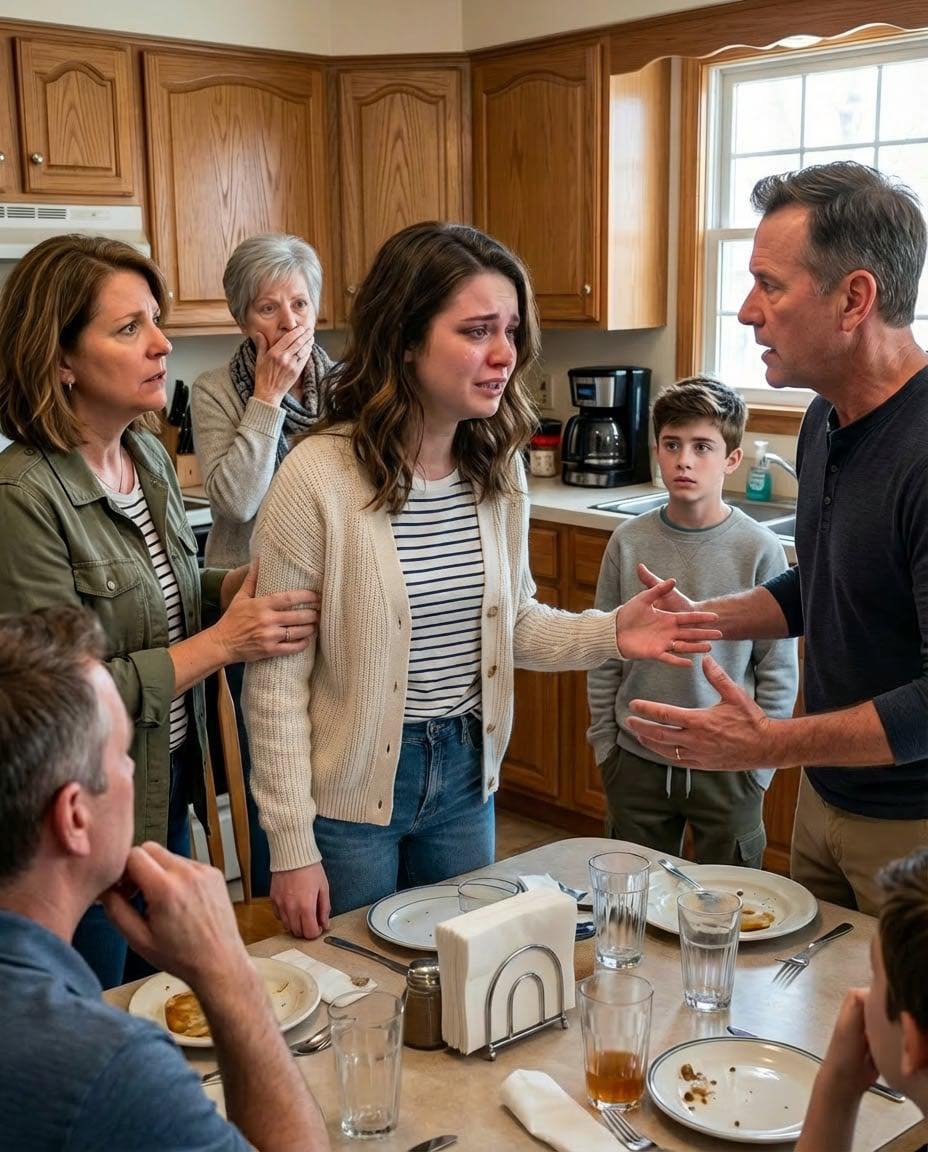
Two days later, my mother showed up at my apartment unannounced.
I lived in a modest brick building above a hardware store in German Village, the kind of place my family used to mock for being “small for a woman your age.” What they never understood was that every inch of it was mine. The rent was always paid. The furniture was debt-free. The quiet was earned.
When I opened the door and saw her clutching her purse against her coat, I knew she hadn’t come to apologize.
She stepped inside, glanced around once, and said, “Your father doesn’t know I’m here.”
That usually meant she intended to deny whatever came next.
She sat at my kitchen table and got straight to the point. The surgery, therapy, deductible, and missed work had created more expenses than Derek and Tamsin could handle. They were behind on their mortgage. My parents had already maxed out a credit card. Then she slid an envelope across the table.
Inside was a typed agreement. They wanted a “temporary family loan” of thirty thousand dollars from me.
Not a request. A contract.
I exhaled slowly and read it through. Payments would begin in six months. No collateral. No penalties for missed payments. A warm sentence at the bottom said the arrangement would “reflect my commitment to family well-being.”
I set it down carefully. “You had this prepared?”
“We were trying to do it properly,” she said, as if that made it acceptable.
“You were trying to formalize dependence.”
Her eyes flashed. “That is your nephew’s home.”
“No,” I said. “That is Derek and Tamsin’s responsibility.”
She leaned forward. “Do you really want to be the kind of woman who watches her own family lose everything?”
That line might have broken me a year earlier. But too much had changed. Too many holidays where I paid and smiled. Too many emergencies that landed on me after they ignored my boundaries. Too many years of being told I mattered least—until my money mattered most.
So I opened the drawer beside the fridge and pulled out my own folder.
Continúa leyendo con «SIGUIENTE »»»